


Your tri-fold tonneau cover did more than just change the look of your truck; it’s protecting thousands of dollars of gear from the elements. Most owners know exactly how to flip the panels open to load some lumber and clamp them shut before a rainstorm, but many treat this hardware as a “set it and forget it” accessory. Nothing is more frustrating than opening your tailgate after a storm only to find your cargo soaked because a neglected rubber edge finally gave out. Maintenance tips for tri-fold tonneau covers are often overlooked until it is too late, turning a weather-tight shield into a leaky, rattling headache. Choose the best quad fold tonneau cover.
Think of your truck bed cover like a high-quality leather jacket. You wouldn’t wear premium leather in the blazing sun and winter slush for years without conditioning it, yet we frequently expect our vehicle accessories to survive worse. Out on the highway, your cover battles three primary enemies: UV rays that bake the essential oils out of the material (leading to UV degradation and cracking), road dirt that builds up, and simple neglect. Over time, leaving the cover tightly clamped in the exact same position for months creates “seal compression memory,” a condition where the rubber flattens out permanently and loses its ability to block water.
According to automotive detailing professionals, adopting a simple truck bed cover maintenance schedule is the difference between replacing your cover in three years or watching it last a full decade. Putting in just 15 minutes of seasonal care transforms this accessory from a depreciating expense into a long-term asset. Extending the lifespan of a truck bed cover provides three major benefits to your wallet and peace of mind:
- Eliminates replacement costs: Saving you hundreds, if not thousands, of dollars by maximizing the 10-year lifespan of your original purchase.
- Secures your cargo: Keeping expensive tools, luggage, or groceries bone-dry and safe from unpredictable weather.
- Improves fuel efficiency: A clean, tight cover reduces wind resistance and stops aerodynamic drag from hurting your gas mileage on the highway.
Beyond just protecting what is inside the bed, that sleek cover plays a surprisingly big role when it comes time to upgrade your vehicle. Dealership appraisers and private buyers alike look at the condition of aftermarket accessories to judge how well you cared for the entire truck. A faded, graying cover with squeaky hinges suggests a neglected vehicle, immediately dragging down your asking price. Conversely, presenting a pristine, rich black cover that operates smoothly instantly boosts your truck’s curb appeal and preserves its overall resale value.
Taking control of this upkeep does not require specialized power tools, a degree in chemistry, or a massive time commitment. By understanding a few basic steps, you can easily fight off the sun, dirt, and friction that threaten your truck’s best accessory. You are already a smart owner for investing in bed protection; now it is time to learn the practical, everyday habits that keep it functioning flawlessly.
The 5-Minute Visual Inspection: Spotting Dry Rot and Loose Bolts Before They Fail
Nothing ruins a weekend trip faster than opening your tailgate and finding your gear soaked from a recent storm. Before searching for leak solutions, the easiest way to spot a problem requires nothing more than a bright, sunny afternoon. Climb into your empty truck bed, pull the tailgate shut, and look for any slivers of sunlight poking through the dark edges where the cover meets the truck rails. Those tiny beams of light are exactly where rainwater is sneaking inside, telling you precisely where to focus your maintenance efforts.
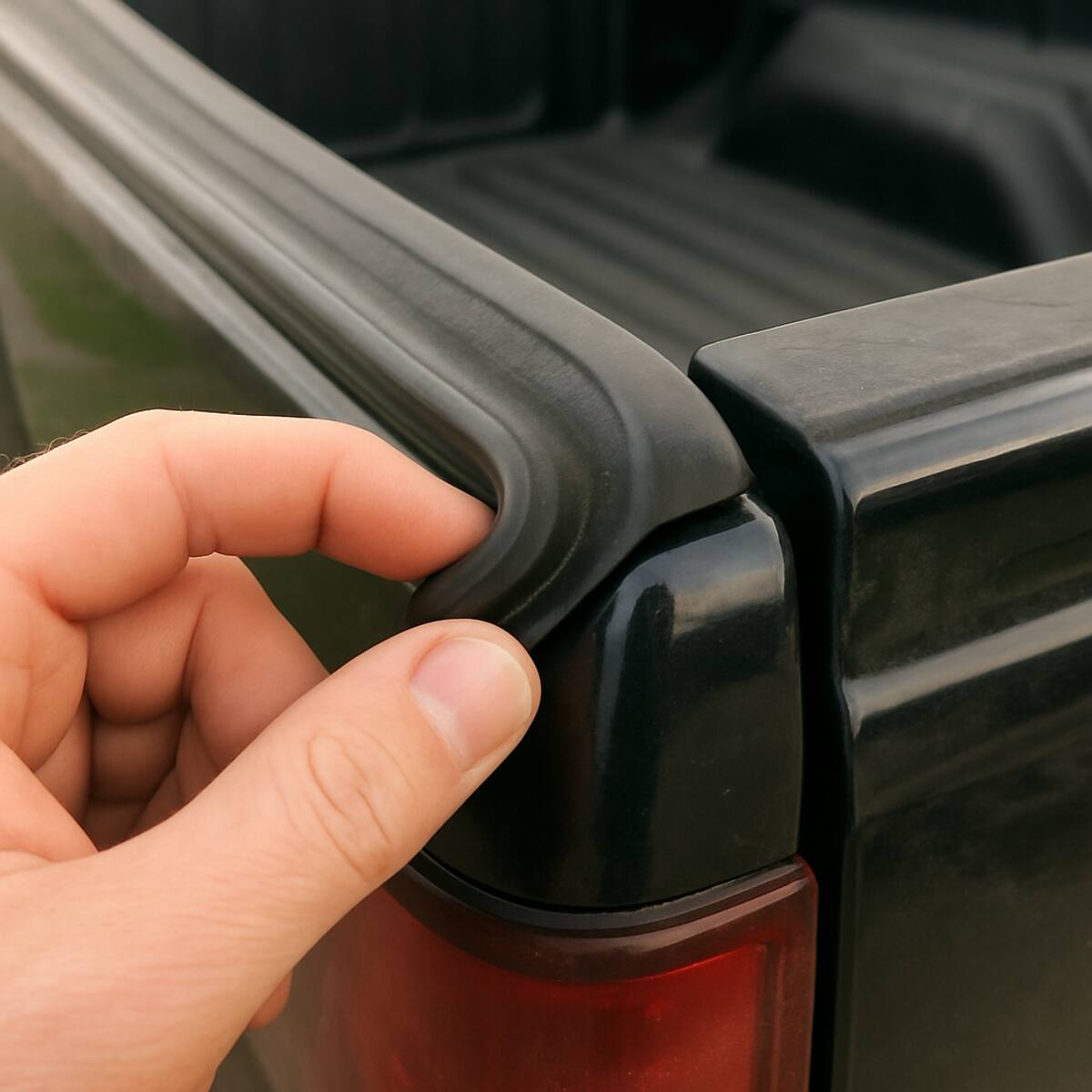
When you locate a daylight gap, the culprit is usually a condition known as seal memory. Think of the thick rubber stripping along the edges of your cover like an old couch cushion; over time, constant downward pressure causes the rubber to flatten out and forget its original bouncy shape. Run your fingers along these rubber edges, paying special attention to the corners near the cab. If the material feels stiff, brittle, or stays completely flat when you push on it rather than springing right back, that weather-stripping is no longer creating a watertight barrier.
Moving away from the rubber edges, you will want to inspect the joints that allow your tri-fold tonneau cover to open and close. Keep an eye out for a chalky white powder or dull silver wear marks on the metal hinges, which are the early warning signs of hinge oxidation. Catching this crusty buildup early means you can simply wipe it away and add a quick drop of household lubricant before the hinge seizes up and bends your aluminum frame.
Finally, give the entire frame a firm upward nudge near the cab to ensure nothing is rattling loose from miles of highway driving. By checking tri-fold mounting hardware tension with this simple physical test, you can tell if the clamps have vibrated loose without needing to dig out any wrenches. A snug cover protects your hardware from snapping under highway wind pressure and ensures the exterior fabric remains properly tensioned.
Safe Cleaning Methods for Vinyl: Why Dish Soap is Your Best Friend (And Your Worst Enemy)
Grabbing a bottle of liquid dish soap from the kitchen seems like a logical first step when washing your truck, but it is actually a double-edged sword. Dish detergents are formulated as aggressive surfactants—a type of cleaner specifically designed to lift and separate heavy, stubborn grease from surfaces. While this sounds perfect for cutting through highway road grime, using it regularly on a hot afternoon will bake the life right out of your material. Before applying any soapy water, always follow the “cool-to-the-touch” rule: park in the shade and wait until the cover feels cool to your bare hand, preventing rapid evaporation that leaves damaging chemical residue behind while cleaning soft tri-fold tonneau fabric.
Think of that soft black material less like heavy-duty plastic and more like a leather jacket that relies on natural oils to stay flexible. Manufacturers infuse the material with special softening agents, and when you scrub with harsh soaps, you trigger plasticizer migration—a fancy term for those essential oils being sucked out of the material and washed away. Once those oils vanish, the topcoat shrinks, fades to an ugly chalky gray, and eventually cracks right at the folding hinges. To prevent this rapid aging process and ensure you are cleaning vinyl truck bed covers safely, you must use a pH-balanced automotive shampoo, which means the soap is chemically neutral so it only removes surface dirt without stripping away the vital oils underneath.
Beyond skipping the kitchen sink, you must ban a few common automotive chemicals from touching your soft top. When shopping for maintenance supplies, specifically look for non-silicone cleaners for truck bed covers, as the wrong chemical reaction will completely ruin your weather-tight barrier. Avoid these three common surface killers entirely:
- Undiluted Dish Detergent: Unless you are intentionally stripping off an old, peeling protectant to apply a fresh coat, regular use accelerates fading.
- Petroleum-Based Degreasers: Heavy-duty engine and wheel cleaners will instantly dissolve the protective topcoat of your vinyl.
- Silicone Tire Shines: These sprays create a greasy, dust-magnet finish that actually magnifies UV rays and aggressively dries out the vinyl underneath.
When it is finally time to wash, use a simple technique called the two-bucket method to keep your cover looking brand new. Fill one bucket with your pH-balanced soapy water and a second bucket with plain, clean water. After scrubbing a section of the vinyl with a soft wash mitt, dip that dirty mitt into the clean water to rinse off the gritty sand before dipping it back into your soap. Using the two-bucket method ensures sharp road dust is never ground back into the soft material.
Maintaining Hard Panels: Protecting Matte Finishes from Scratches and Oxidation
Switching from a vinyl top to a rigid setup changes your maintenance game entirely. Understanding hard vs soft folding cover care requirements usually comes down to dealing with different types of environmental damage. While soft covers lose their natural oils, hard aluminum panels face a different enemy called powder-coat oxidation. If you have ever run your bare hand across an older metal cover and pulled away a white, dusty residue, you are witnessing this chemical breakdown firsthand. This chalky layer is actually the baked-on finish slowly degrading under the harsh sun, transforming a sharp, matte-black exterior into a tired, faded gray.
Fading often occurs because of exactly how you move your wash mitt. Most truck owners intuitively scrub their vehicles in large, sweeping circles, but this aggressive motion drags microscopic dirt particles across the matte surface. This creates swirling—thousands of tiny, overlapping scratches that catch the sunlight and make the entire panel look permanently dull. When cleaning rigid panels, always wash and dry using straight lines moving from the cab to the tailgate to prevent these permanent scuff marks.
Beyond just the paint job, preserving your rigid panels requires knowing the difference between a harmless cosmetic blemish and a serious physical failure. A surface scratch from dragging a cardboard box across the top might look annoying, but it only affects the thin outer layer of paint. A structural crack, however, is a deep split in the aluminum or plastic that penetrates the panel itself. Because these covers sit directly in the weather, they undergo thermal expansion, meaning the materials physically swell in the daytime heat and shrink during cool nights. If ignored, that daily stretching will force a tiny crack to spiderweb outward, eventually breaking the weather-tight seal and flooding your cargo.
Routine visual inspections and proper straight-line washing habits form the absolute foundation of your maintenance schedule. Routinely cleaning away abrasive road grit provides a perfect foundation for applying dedicated UV protection, effectively shielding the metal and composite materials from the baking sun.
UV Protection Strategies: Using ‘Sunscreen’ to Prevent Cracking and Fading
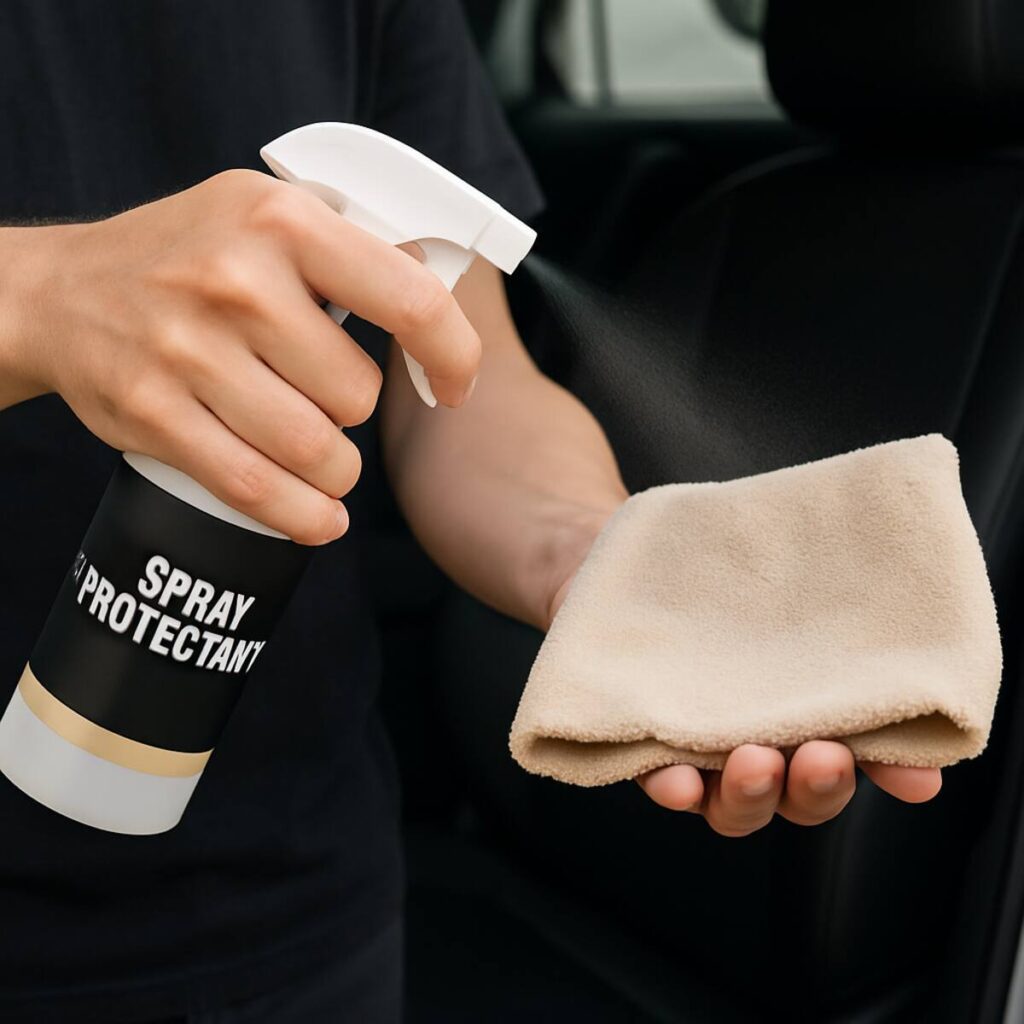
Now that you have a perfectly clean, dry cover, it is time to apply the right armor. Think of UV protectants as a heavy-duty sunscreen for your truck bed. However, not all sprays are created equal. Walk down any auto parts aisle, and you will see dozens of cheap, glossy sprays loaded with silicone and harsh solvents. While these might make your cover look shiny for an afternoon, silicone actually acts like a massive dust magnet, pulling in road grime while the underlying solvents slowly dry out your cover’s materials. To preserve that fresh look without the greasy mess, you need to seek out water-based, non-silicone UV protectants.
Establishing a routine with a water-based spray creates what detailers call a “sacrificial barrier.” Instead of the blazing summer sun baking the natural oils out of your vinyl or oxidizing your aluminum, those harmful rays eat away at the thin layer of protectant instead. To get the true benefits of regular truck bed cover conditioning, you should plan on reapplying this invisible shield every 60 days. Sticking to this two-month cycle ensures the sun never actually reaches the cover’s surface, preventing those ugly cracks and fading before they even have a chance to form.
Applying the best UV protectant for tonneau covers takes less than ten minutes if you follow a smart, methodical approach.
- Prime the cloth: Always spray your protectant directly onto a microfiber cloth first, rather than aiming at the cover. This simple overspray prevention technique keeps slippery chemicals off your truck’s paint and rear window.
- Work in sections: Wipe the dampened cloth across the cover in straight, overlapping lines, working from the cab down to the tailgate.
- Buff to finish: Flip your cloth to a dry side and lightly wipe the area again to remove any excess liquid, leaving behind a clean, matte finish rather than a sticky glare.
Shielding the large, flat panels keeps your truck looking sharp, but the weather-proofing equation also relies heavily on the perimeter edges.
Reviving Rubber Seals: How to Keep the ‘Q-Seal’ Pliable and Water-Tight
Protecting the main panels of your tonneau cover is a great start, but those shiny surfaces will not keep your cargo dry if the rubber edges fail. The soft rubber weather stripping around the perimeter, specifically the rounded strips known as “bulb seals,” faces constant pressure and extreme weather conditions. Over time, that rubber naturally loses its original bounce and flexibility, a physical quality known as pliability. When the rubber dries out and turns brittle, it fails to press firmly against the truck bed rails, creating an open invitation for rain and road spray to seep inside.
Before treating the rubber, you should verify that your frame has not moved and created a frustrating tailgate gap. Sometimes the problem is not a failing seal at all, but rather a tonneau cover that has slowly shifted backward or forward after months of driving over bumpy roads. Close your tailgate and inspect the corners closely to see if any daylight is peeking through the gaps. Resolving unwanted moisture intrusion often starts with simply loosening the clamps near the cab, pushing the entire assembly forward by a fraction of an inch, and locking it back down so the rear seal sits flush.
If your alignment is perfect but water still gets in, your seals might be suffering from “compression set,” which simply means the rubber has been squished flat for so long that it lost its original shape. You can easily revive these flattened areas using a standard hair dryer on a warm setting to gently heat the rubber, massaging it back into a plump, rounded shape with your fingers. Once the bulb seal is re-formed, applying a targeted rubber conditioner will lock in that moisture and elasticity. Unlike the flat vinyl top panels where we actively avoid greasy products, lubricating rubber seals on folding covers with a dedicated silicone paste or spray is exactly what you need to keep the material supple.
Taking a few minutes to condition these edges twice a year pays massive dividends, especially when the temperature drastically drops. A well-lubricated rubber seal repels water completely, which prevents the weather stripping from freezing solid and tearing against your tailgate during a winter storm. With panels protected against the sun and the perimeter tightly sealed against the rain, regular attention to the internal mechanical hardware completes the weatherproofing process.
Lubricating Hinges and Latches: Preventing Squeaks Without Attracting Road Grime
Hearing a constant metal-on-metal chirp from your truck bed every time you hit a bump is enough to drive anyone crazy. This annoying “cab-chatter” is a clear sign that the metal joints in your cover are crying out for lubrication. However, before you grab that familiar blue-and-yellow can of standard penetrating oil, you should know it will likely make the problem worse. Traditional household sprays stay wet, acting like a magnet for dust and road grime that will eventually jam the mechanisms. When this dirt builds up, it causes “binding”—a frustrating situation where the hinges stick and resist folding, forcing you to push harder and creating unnecessary stress that can eventually crack your panels.
To avoid creating a messy, abrasive paste inside your joints, the secret is switching to a “dry film lubricant,” like a dry PTFE spray, or a lightweight white lithium grease. Think of dry film lubricant like non-stick cooking spray for your truck; it sprays on wet so it can seep deep into the moving parts, but the carrier liquid quickly evaporates to leave behind a slick, completely dry layer of protection. Because the finish remains dry, blowing dirt and gravel dust simply bounce off rather than sticking to the mechanism. This simple chemical swap is one of the most important rules for hinge maintenance, ensuring they glide open smoothly for years without seizing up.
Finding and treating these components takes just a few minutes once you flip the sections open. While you already handled treating the flexible exterior edges, the mechanical underside requires you to focus your spray on these critical lubrication points on a tri-fold cover:
- Hinges: Spray the metal pin inside each folding joint and wipe away the excess instantly, which is key for preventing rust on tri-fold tonneau hinges.
- Latch Mechanisms: Coat the spring-loaded jaws or pull-cables that snap shut to lock the sections in place.
- Latch Strikers: Lightly coat the stationary metal bars attached to your bed rails—the actual anchors that the latches grab onto.
A quick spray on these specific hardware points guarantees your cover will fold back smoothly without binding and snap locked with zero effort. You will immediately notice the absence of squeaking on your next drive, giving you peace of mind that your investment is operating exactly as designed. If the cover remains well-lubricated but exhibits bouncing at highway speeds, a quick check of the mounting clamps can resolve lingering vibrations.
The Correct Way to Adjust Tension: Stopping Rattles and Improving Fuel Efficiency
Noticing a rhythmic tapping against your back window at highway speeds is usually the first clue that your tri-fold tonneau cover needs a tension adjustment. Over time, constant driving vibrations can cause a phenomenon known as “walking.” This simply means the entire assembly slowly shifts backward or to one side, breaking the perfect weather-tight seal it had on day one. When the loose cover catches the wind instead of deflecting it smoothly, it creates an annoying rattle and ruins the aerodynamic profile that helps save you money at the gas pump.
Before you grab any tools to fix this shift, you must first visually re-center the entire assembly. Start by opening the tailgate and standing at the back of the bed, looking straight down the sides where the cover meets the metal bed rails. You want to see an equal amount of rubber seal overlapping the metal on both the driver and passenger sides, ensuring proper rail alignment and consistent pressure across the truck. If it looks crooked, you will need to loosen the main mounting brackets slightly, nudge the folded panels back into the center, and begin checking tri-fold mounting hardware tension to lock in that perfect position.
Many well-intentioned owners make a costly mistake when applying the final clamping force to these brackets. Grabbing your socket wrench and cranking the bolts down as hard as humanly possible might feel secure, but over-tightening is a fast track to bending your truck’s bed rails or snapping the aluminum clamps in half. Think of securing these heavy-duty truck accessories like tightening a glass jar lid; you want it firmly snug so it will not budge, but if you force it past its natural stopping point, the threads will strip and fail completely. Give your wrench a firm turn until you feel solid resistance, then stop.
A properly tensioned cover transforms your daily drive by eliminating wind drag, silencing highway shakes, and keeping rain safely out of the cargo area.
Managing Drainage Systems: Unclogging Tubes to Prevent Bed Pooling
Finding water in your truck bed after a storm is frustrating, especially when your rubber seals look perfectly fine. Often, the issue is moisture sneaking in through capillary action—a natural process where water pulls itself along the tiny gaps under your truck bed cover. To fight this, manufacturers design built-in gutter channels along the side rails of a tri-fold tonneau cover. Think of these channels like house gutters; they catch water slipping past the outer defenses and direct it safely away from your gear.
Once water travels down those gutters, it needs a clear path to leave the vehicle. This is where drain tubes serve as critical exit points, routing water out through factory holes in the bed wall. If you park under trees, small pine needles and dirt will wash into the rails and clump inside the tubes. When these exits clog, the gutters overflow like a backed-up sink, dumping stagnant water directly into your cargo area. Left untreated, this pooling creates a perfect environment for mold and mildew that can ruin cardboard and leave a lasting odor. Preventing bed pooling often comes down to finding these hidden exits and ensuring they remain clear.
A quick flush of this invisible plumbing system takes only a few minutes without any tools. Detach the soft plastic tubes from the rail fittings by hand, gently squeeze them to break up packed dirt, and pour warm water through until it flows clearly out the bottom. Before reattaching them, wipe the upper channels with a damp rag to remove leftover sludge. With the drainage system flowing freely, the cargo area remains safe even under heavy downpours.
Car Wash Etiquette: Can Your Tri-Fold Survive the Automatic Brushes?
After a long week of driving through dust and bugs, the automatic drive-through wash looks like the perfect shortcut. Taking a tri-fold cover through a car wash without ruining it is entirely possible, but it comes with risks. The primary culprit behind those “mystery leaks” you find in your truck bed after a wash is high-pressure intrusion. When industrial jets blast water directly at the edges of your cover, the sheer force bends the rubber weather-stripping backward, shooting water straight into your cargo area.
Since spinning heavy-duty brushes can easily scratch aluminum panels or scuff soft tops, touchless washes are generally the safer bet. However, “touchless” does not mean harmless. These machines rely heavily on harsh chemical soaps and liquid spray-waxes to remove dirt without friction. Over time, spray-wax buildup bakes into your cover’s surface. On hard covers, it leaves a cloudy film, and on soft covers, it actually degrades the material. Safe maintenance means avoiding these liquid carnauba waxes and silicone glosses, as they act like a magnifying glass for the sun, drying out the vinyl rather than protecting it.
To keep your gear dry and stick to a healthy truck bed cover maintenance schedule, follow these four simple rules the next time you pull up to an automated bay:
- Select the basic wash package to skip the colored foam polishes and spray-on clear coats.
- Ensure the truck bed cover is completely closed and latched tight before entering.
- Avoid the undercarriage blast if possible, as it can force water up through the tailgate gap.
- Drive slowly through the blow-dryers to push standing water off the hinges and vinyl.
Pulling out of the wash bay isn’t the final step, as lingering moisture often causes its own headaches. Grab a clean microfiber cloth and immediately wipe down the seams and folding hinges. Leaving water sitting in these metal joints leads to stubborn hard water spots and stiff, squeaky hinges down the road. Keeping harsh wash chemicals off the cover and drying the joints properly maintains supple seals for standard rainstorms.
Winter Armor: Protecting Your Cover from Ice Dams and Salt Corrosion
When the first major blizzard hits, the heavy blanket of snow resting on your truck is more than just a nuisance to brush off. This continuous, unmoving weight is known as a static load, and it tests the structural limits of your panels. While most hard covers can handle a couple of hundred pounds of evenly distributed snow, heavy, wet slush can easily exceed those safety thresholds and warp the aluminum frame over time. To protect your investment, always clear snow promptly using a soft-bristled push broom rather than a hard plastic snow shovel, which can easily scratch a painted finish or permanently tear vinyl material.
Flipping your cover open on a freezing morning, only to find it stubbornly fused to the tailgate, happens because of ice damming. This process occurs when snow melts off the warm cab during your commute, runs toward the back of the cover, and refreezes into a solid block of ice along the rubber seals overnight. Ripping the panel upward when it is ice-locked will quickly tear the rubber weather-stripping right off its track. Instead, gently tap along the edges to break the ice bridge, and routinely apply a silicone-free rubber conditioner to the perimeter seals, a simple habit essential for extending the lifespan of a truck bed cover in harsh northern climates.
Beyond freezing temperatures, winter introduces a silent chemical threat to your hardware in the form of road salt. When wet salt sprays up onto your truck bed, it creates a highly conductive environment that sparks galvanic corrosion, a chemical reaction where different metals touching each other begin to rapidly rust and break down. For your valuable truck accessories, this usually means the aluminum hinges and steel latch strikers will start pitting or seizing up completely. Rinsing these mechanical joints with fresh water whenever possible and applying a light coat of a dry teflon spray lubricant will block the salt from eating away at your moving parts.
Keeping ahead of freezing moisture and corrosive slush ensures your tri-fold tonneau cover operates smoothly no matter how far the mercury drops. Diligence during these icy months keeps your gear bone-dry and your hardware intact, proving that preventative care saves hundreds of dollars in replacement parts.
Summer Shielding: Managing Heat Expansion and Adhesive Failure
When the summer sun beats down, the black surface of your tri-fold tonneau cover absorbs intense heat. This triggers thermal expansion, where the materials physically stretch and swell as they bake. While the cover’s frame is built to handle this flexing, the glue holding your rubber weather-stripping in place is highly vulnerable. As outside temperatures climb, adhesive softening occurs, turning that solid factory glue into a gooey, unstable mess. Forcing the cover open quickly while the glue is melted risks permanently peeling the seals right off the side rails. To prevent this frustrating damage, try to park in the shade when possible and always open the cover slowly on blistering afternoons so the adhesive has time to stretch without snapping.
Relentless ultraviolet rays also actively pull essential oils out of vinyl materials through a process called UV-induced outgassing. This invisible evaporation is the culprit behind covers fading to a chalky gray. Think of the vinyl like a heavy leather jacket; without moisture, it dries out, stiffens, and eventually cracks under pressure. You can easily combat this baking effect by wiping the cover down with a water-based UV protectant spray every few weeks. The benefits of regular truck bed cover conditioning go far beyond simply maintaining a glossy showroom shine, as the spray actually feeds moisture back into the material to keep the folding points highly flexible and resistant to tearing.
Maintaining that newly conditioned surface during the summer requires one critical rule: never wash the cover while it is hot to the touch. Blasting a baking-hot panel with cold hose water causes the soap and dirt to instantly flash-dry, baking permanent hard-water spots directly into the finish. Instead, save your maintenance washes for the cool early morning or late evening so the soap rinses away cleanly. Mastering these simple heat management habits will keep the primary panels pristine all season long.
Tailgate Seal Secrets: Bridging the Gap for a Truly Waterproof Bed
Spending time and money on top-tier truck accessories means you expect a completely dry cargo area, but even the tightest canopy cannot protect against a glaring factory design flaw: the tailgate gap. If you look closely at where your closed tailgate meets the bed, you will notice a sizable opening running down both sides and across the bottom. As you drive, a vacuum effect pulls swirling dirt and rain directly through these open seams, causing major dust intrusion that quickly coats your expensive gear. Securing the cargo area against moisture almost always starts right here, because a perfectly conditioned cover is ultimately useless if the back door is left wide open.
Bridging this vulnerable space requires an aftermarket tailgate seal kit, which is an inexpensive strip of automotive-grade rubber that adheres to the truck’s frame. Once installed, these heavy-duty gaskets compress tightly when the tailgate closes, successfully blocking 90% of dust and road spray from entering the back of the bed. Applying them is a simple weekend project that easily fits into an annual truck bed cover maintenance schedule. To ensure the adhesive bonds permanently, here are the recommended tools for installing a tailgate seal:
- Microfiber cloths for wiping away loose dirt
- Isopropyl alcohol to strip away leftover wax and grease
- Scissors or heavy shears to trim the rubber to the proper length
- A tape measure to map out your cuts before peeling the backing
Achieving total weather protection also means paying close attention to how the cover’s rear flap—often called the sweep seal—interacts with your newly sealed tailgate. When snapping that final panel shut, you must gently align the sweep so it points outward and lays flat across the plastic tailgate cap. If you simply slam the cover down, the rubber can easily fold under itself, creating a tiny funnel that directs rainwater straight inside. Ensuring the final fold of the cover seals perfectly against the tailgate forces water to cascade safely onto the ground.
Troubleshooting Common Leaks: Identifying the 3 Most Vulnerable Entry Points
Finding a rogue puddle in your cargo bed after a heavy rain is incredibly frustrating, especially when you thought everything was sealed tight. Before tearing your setup apart, it is important to understand what kind of water intrusion you are dealing with. A light, damp film near the corners usually indicates “wicking,” which happens when moisture travels slowly through tiny gaps in the fabric or along the bed liner. On the other hand, actual standing water means you have an active leak. Recognizing this difference is one of the most crucial maintenance tips for tri-fold tonneau covers, as it saves you from trying to fix a major seal problem when you really just have minor surface condensation.
To pinpoint the exact source of an active drip, you do not need a mechanic’s shop, just a bit of mild dish soap and a garden hose. By applying soapy water along the edges of your closed tri-fold tonneau cover and watching closely while a helper sprays the outside, you can easily spot where the water penetrates the barrier. This simple diagnostic test immediately reveals whether you are dealing with a torn vinyl material—which indicates a product failure—or just an installation error where the side rails are not sitting completely flush against the truck.
When diagnosing active drips, the front wall of your truck bed is almost always the prime suspect. This specific spot is protected by the bulkhead seal, which is the long strip of rubber weatherstripping running directly behind your cab window. If your diagnostic test reveals water entering here, you can often solve the problem with less than five dollars in materials by using a technique called foam shimming. Simply buy a small roll of dense, adhesive-backed weatherstripping from any local hardware store and stick it tightly underneath the existing bulkhead seal to push the main rubber gasket tighter against the cover’s underside.
Occasional dripping down the side walls usually points to a different culprit, where the mounting clamps might just need a quick turn with a wrench to pull the rails closer to the metal. Resolving these minor gaps with simple tweaks easily handles the vast majority of common water issues without requiring expensive replacement parts.
The Longevity Schedule: A Practical Calendar for the Busy Truck Owner
You no longer have to hope your gear stays dry during a storm. You now understand how to spot a failing weather seal, exactly when to deep-clean versus quick-rinse, and how to keep those folding hinges moving smoothly.
Applying these maintenance tips for tri-fold tonneau covers is the proven secret to extending the lifespan of a truck bed cover. Building a quick, five-minute habit protects your investment, ensuring you always walk away with a bone-dry truck bed and a finish that looks brand new.
Lock in your routine with The Ultimate Maintenance Calendar:
- Monthly: Quick-rinse dust away and clear out rail debris.
- Seasonal: Deep-clean the surface, apply UV protectant, and lubricate moving parts.
- Annually: Inspect rubber edges for cracking and gently tighten your hardware.
Start today by establishing your baseline truck bed cover maintenance schedule with a simple, mild-soap wash. When the next heavy downpour hits, you will have total confidence knowing your cargo is fully protected.