


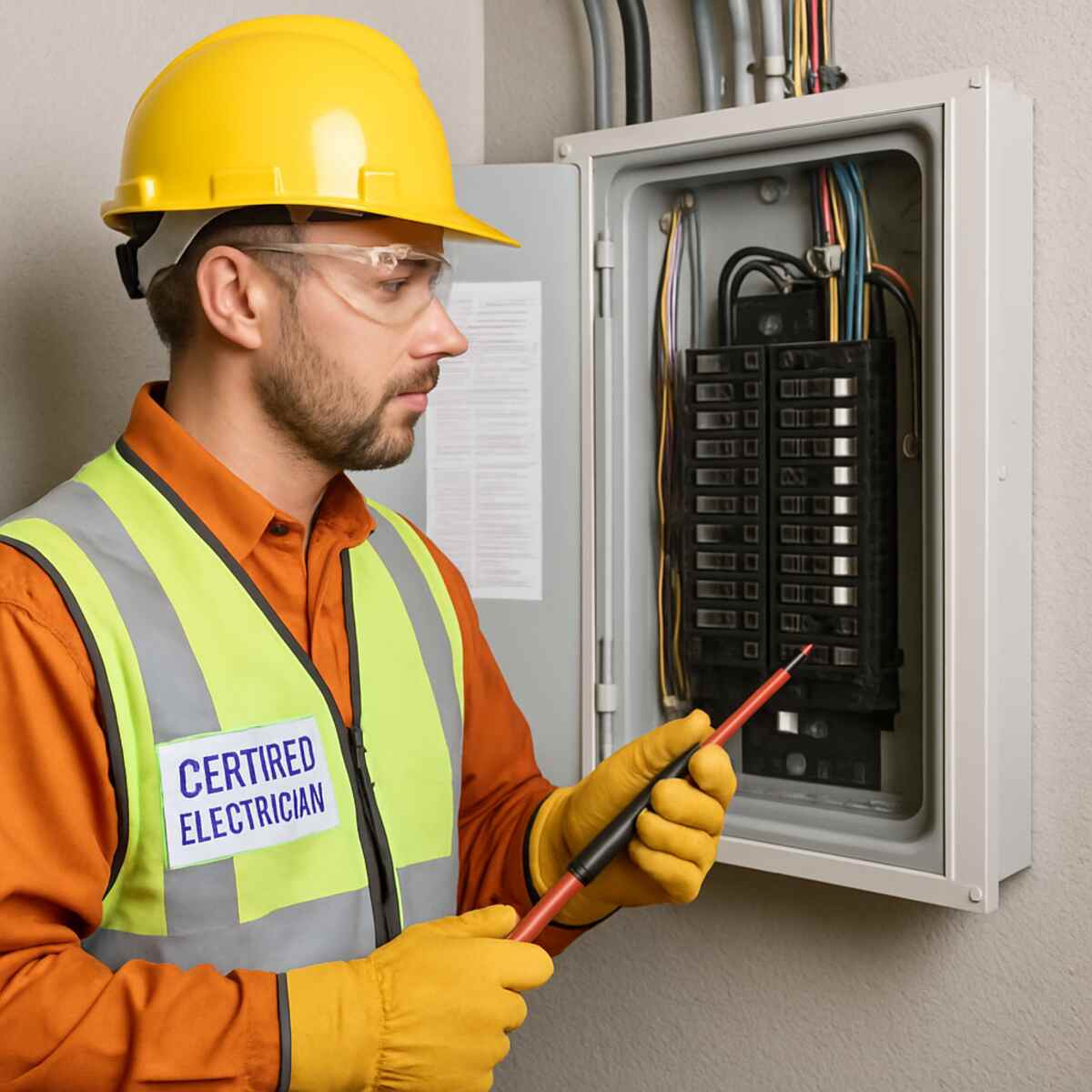
Electricity is the invisible lifeblood of our modern world. From the moment your morning alarm goes off to the time you turn out the lights at night, you rely on a complex, hidden network of wires, panels, and circuits. Because electricity is so seamlessly integrated into our daily lives, it is easy to take for granted—until something goes wrong. When a switch fails, a breaker continuously trips, or you are planning a major home renovation, the immediate instinct might be to grab a toolbelt and watch a DIY tutorial. However, electricity is uniquely unforgiving. The best guide to finding electrician Highlands Ranch CO.
Working with electrical systems requires far more than just connecting colored wires. It demands a deep understanding of physics, local building codes, and rigorous safety protocols. This is where a professional steps in. Choosing to hire a certified electrician is not just a matter of convenience; it is a critical investment in the safety, legality, and longevity of your property.
In this comprehensive guide, we will explore everything you need to know about electrical professionals. We will delve into the rigorous training they undergo, the distinct benefits they bring to both residential and commercial projects, and the severe risks of cutting corners. Whether you need to update an old breaker panel or navigate a complex commercial build, understanding the value of a true professional will save you time, money, and potentially your life.
What Exactly is a Certified Electrician?
The terms “electrician,” “certified electrician,” and “licensed electrician” are often used interchangeably by the general public, but in the trades industry, specific titles carry significant weight.
A certified electrician is a professional who has completed a formalized education program, accrued thousands of hours of hands-on apprenticeship experience, and passed rigorous state or regional examinations to prove their competency. Certification and licensing go hand-in-hand. In most jurisdictions, a licensed electrician has been legally granted the right to perform electrical work by a governing body, ensuring they meet the strict legal and safety requirements of that specific area.
Furthermore, you will often hear the term electrical contractor. While an electrician is an individual tradesperson, an electrical contractor is a business entity that employs electricians. The contractor holds the overarching business license, carries the necessary liability insurance, and is authorized to bid on and complete large-scale public or private projects.
The Training Path: Achieving Excellence
To truly appreciate the value of a certified electrician, one must understand the grueling path it takes to become one. The trade is not learned over a weekend; it requires years of dedication that rivals a university degree.1. The Apprenticeship Phase
The journey begins with an apprenticeship. The electrical apprenticeship training standards dictate that an aspiring electrician must complete a combination of classroom instruction and practical, on-the-job training. Typically, this process takes four to five years. During this time, apprentices learn the fundamentals of electrical theory, blueprint reading, mathematics, and basic safety protocols. They work directly under the supervision of seasoned professionals, applying classroom theory to real-world scenarios. It is not uncommon for an apprentice to complete up to 8,000 hours of practical training before they are eligible to take their licensing exam.2. The Journeyman Level
Once an apprentice passes their state or provincial examination, they become a Journeyman. A Journeyman is fully qualified to work independently on residential, commercial, and industrial projects. They possess a comprehensive understanding of complex wiring systems and can troubleshoot intricate electrical issues.3. The Master Electrician Level
To reach the pinnacle of the trade, a Journeyman must work in the field for several more years (often an additional 4,000 to 8,000 hours) before testing to become a Master Electrician. Understanding the journeyman vs master electrician differences is crucial when hiring. While a Journeyman is highly skilled at executing electrical work, a Master Electrician is trained in system design, advanced project management, and the nuances of the electrical code. Master Electricians are typically the ones authorized to pull government permits for major projects and oversee entire teams of Journeymen and apprentices.
The Hidden Dangers: Why DIY Electrical Work is a Gamble
In the age of internet tutorials, the DIY movement has exploded. While painting a living room or replacing a bathroom faucet are excellent weekend projects, electrical work belongs in an entirely different category. The stakes are simply too high.
The Risks of Unlicensed Work
The licensed vs unlicensed workmanship risks cannot be overstated. An unlicensed handyman might offer a significantly lower hourly rate, but the hidden costs can be catastrophic. Unlicensed workers often lack the formal education required to understand load calculations, proper grounding techniques, and circuit balancing. If an unlicensed worker makes a mistake, the consequences are rarely immediate. Electrical faults can silently smolder behind drywall for months or years before resulting in a devastating house fire.
Recognizing Bad Workmanship
If you have recently purchased a home or hired an unverified worker in the past, you must be vigilant. There are several signs of faulty electrical work that demand immediate professional attention:
- Flickering or Dimming Lights: If your lights dim when a major appliance (like an AC unit or refrigerator) turns on, your circuits may be overloaded.
- Warm or Discolored Outlets: An outlet cover that is warm to the touch or shows scorch marks indicates a dangerous buildup of heat, often caused by loose connections or improper wire sizing.
- Buzzing Sounds: Electricity should be silent. A buzzing or humming sound emanating from a breaker panel or wall switch is a warning sign of a loose connection or an overloaded breaker.
- Frequent Tripped Breakers: A circuit breaker is designed to trip to prevent a fire. If you are constantly resetting breakers, the system is pleading for an upgrade or a repair.
- The Smell of Burning Plastic: This is an absolute emergency. The smell of ozone or burning plastic means wire insulation is melting.
By hiring a certified professional from the start, you are directly preventing household electrical hazards that could endanger your family and destroy your property.
Top Benefits of Hiring a Certified Electrician
When you bypass the handyman and call a certified electrician, you are paying for expertise, legal compliance, and profound peace of mind. Here is a detailed breakdown of the primary benefits.
1. Uncompromising Safety
Safety is the most compelling reason to hire a pro. Certified electricians are trained to navigate high-voltage systems safely. They possess specialized tools, wear rated safety gear, and follow strict lockout/tagout procedures to ensure no one is electrocuted during a repair. More importantly, the work they leave behind is safe for you to interact with daily.
2. Strict Adherence to the Code
The National Electrical Code (NEC) is the benchmark for safe electrical design, installation, and inspection to protect people and property from electrical hazards. It is a massive, highly technical document that is updated every three years to account for new technologies (like electric vehicles and solar panels).
Ensuring National Electrical Code compliance is a legal and practical necessity. A certified electrician studies the NEC extensively. They know exactly how far apart outlets must be placed in a kitchen, what type of waterproof housing is required for outdoor wiring, and where Arc-Fault Circuit Interrupters (AFCIs) must be installed. Non-compliant work will not only fail municipal inspections but can also make your home unsellable in the future.
3. Protection Through Licensing and Insurance
Professional electricians do not work in the shadows. Reputable, certified professionals operate as bonded and insured service providers.
- Liability Insurance: If an electrician accidentally damages your home during a repair (e.g., dropping a heavy fixture or causing structural damage), their liability insurance covers the cost. If a DIYer or unlicensed worker does the same, the financial burden falls entirely on you.
- Worker’s Compensation: If a certified electrician is injured on your property, their employer’s worker’s compensation insurance covers their medical bills. Without this, you could be sued for personal injury.
- Surety Bonds: A bond guarantees that the professional will fulfill their contractual obligations. If they abandon the project halfway through, the bond provides you with financial compensation to hire someone else to finish the job.
4. Long-Term Financial Savings
While the upfront hourly rate of a certified electrician is higher than an amateur’s, it saves you money in the long run. Professional installations are done right the first time. You won’t have to pay a second contractor to fix the mistakes of the first. Furthermore, energy-efficient upgrades recommended and installed by a pro (such as LED retrofitting, smart home integration, and optimized panel layouts) can significantly reduce your monthly utility bills.
5. Troubleshooting Accuracy
When a complex electrical issue arises—such as a phantom power drain or an intermittent short circuit—amateurs often rely on guesswork. They might replace perfectly good parts through a process of elimination, wasting your money. A certified electrician uses advanced diagnostic equipment (like multimeters, circuit tracers, and thermal imaging cameras) to pinpoint the exact root of the problem swiftly and accurately.
Residential vs. Commercial Electrical Work
While the underlying physics of electricity remain the same, the application varies wildly depending on the environment. Certified electricians often specialize in either residential or commercial sectors, as the codes, materials, and power demands are vastly different.
Residential Electrical Services: Powering Your Home
Your home is your sanctuary, and its electrical system must cater to comfort, modern convenience, and the safety of your family.Navigating Residential Codes
Understanding residential wiring code requirements is a full-time job. For example, modern codes mandate that any outlet near a water source (kitchens, bathrooms, garages, outdoors) must be a Ground Fault Circuit Interrupter (GFCI) to prevent shock. Furthermore, living areas now require AFCI protection to prevent fires caused by arcing wires. A certified residential electrician ensures every room in your house meets these stringent, life-saving standards.Upgrading the Heart of Your Home
One of the most common and critical residential projects is a panel upgrade. Older homes were often built with 60-amp or 100-amp electrical services. Today, with multiple high-definition televisions, central air conditioning, home offices, and electric vehicle (EV) chargers, a standard modern home requires a 200-amp service.
The cost of upgrading home breaker panel systems can vary significantly based on your region, the complexity of the job, and the materials required. On average, homeowners can expect to invest anywhere from $1,500 to $4,000 for a comprehensive upgrade. This cost includes:
- Materials: The new metal panel, the main breaker, individual circuit breakers, grounding rods, and heavy-gauge service entrance cables.
- Labor: The expertise of the certified electrician to safely remove the old panel, install the new one, and meticulously reconnect and label every circuit.
- Permits and Utility Fees: The cost of the municipal permit and the coordination with the local power company to disconnect and reconnect the power from the grid.
While it is a significant investment, a panel upgrade drastically reduces the risk of electrical fires, stops breakers from constantly tripping, and adds measurable value to your property.
Commercial Electrical Services: Powering Business
Commercial electrical work is an entirely different beast. The scale is massive, the voltages are higher (often three-phase power systems operating at 277/480 volts), and the wiring methods utilize heavy-duty metal conduits rather than the flexible non-metallic sheathed cables found in homes.The Complexities of Permitting
For business owners, opening a new location or renovating an existing one involves navigating the commercial electrical permit process. This process is far more rigorous than residential permitting.
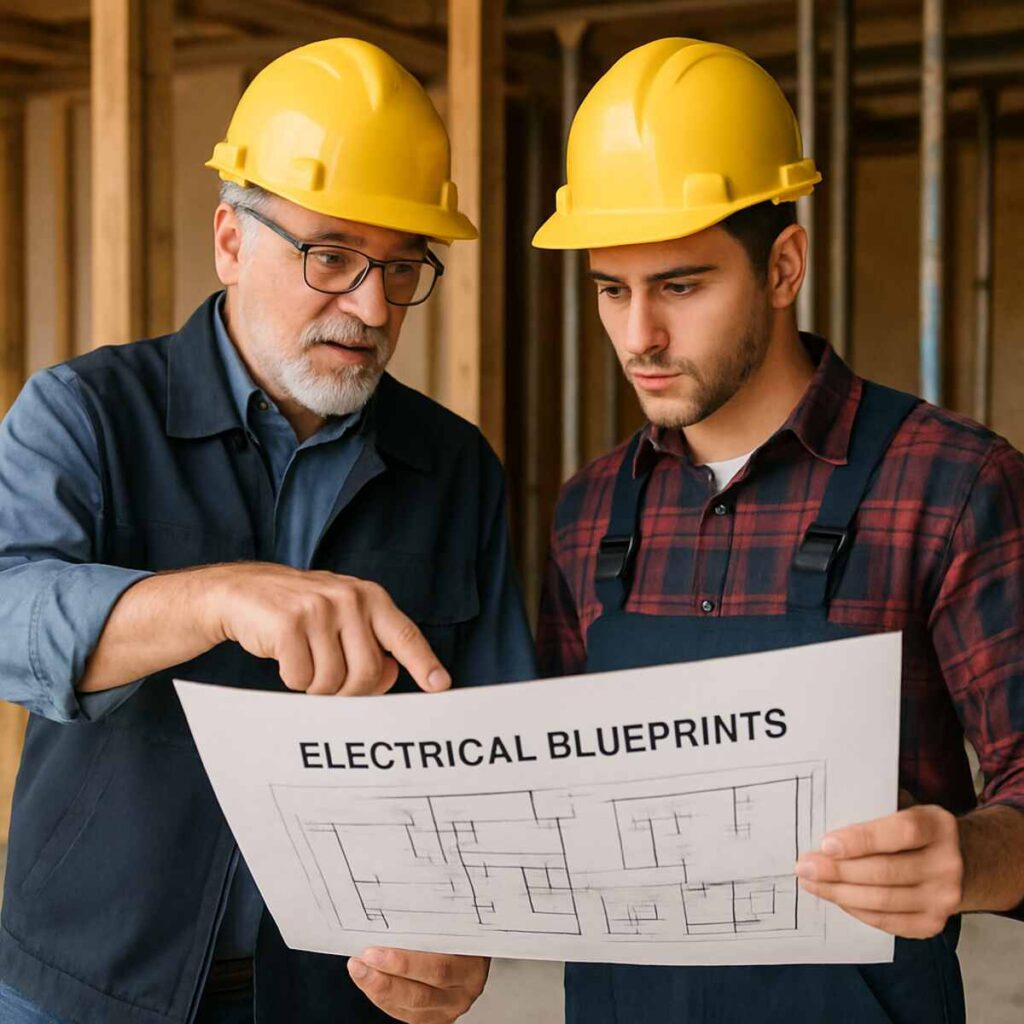
- Plan Submission: Before any wire is pulled, a Master Electrician or electrical engineer must draft detailed electrical blueprints, including load calculations, lighting schematics, and emergency power distribution plans.
- City Review: These plans are submitted to the municipal building department, where engineers review them for code compliance, energy efficiency, and safety.
- Rough-In Inspection: Once approved, the contractor completes the “rough-in” phase (installing conduits and pulling wires before walls are closed). An inspector must visually verify the work.
- Final Inspection: After fixtures, panels, and machinery are installed, a final inspection is required before the city issues a Certificate of Occupancy, allowing the business to open.
A certified electrical contractor specializing in commercial work acts as your liaison through this bureaucratic maze, ensuring that delays in permitting do not delay your grand opening.
The Ultimate Hiring Guide: How to Find the Best
Recognizing the need for a professional is the first step; actually finding a trustworthy one is the next hurdle. Knowing how to hire a qualified electrical professional is a skill every homeowner and property manager should possess. Here is a step-by-step guide to protect yourself and ensure you hire the right team for the job.
Step 1: Define the Scope of Your Project
Before picking up the phone, clearly define what you need. Are you replacing a single ceiling fan, or are you rewiring a 100-year-old historic home? Some electricians specialize only in small service calls, while others only take on large renovation projects. Knowing your scope helps you target the right companies.
Step 2: Seek Word-of-Mouth Recommendations
Start by asking friends, family, and neighbors for recommendations. People are quick to share their experiences with contractors, both good and bad. Additionally, local community social media groups can be a goldmine for honest reviews of local service providers.
Step 3: Verify Licenses and Certifications
This is the most critical step. Never take a contractor’s word for it when they say they are licensed. You must proactively verify electrical contractor license status.
- How to do it: Every state or province has a Department of Labor, Licensing, or Consumer Affairs website. You can usually type in the contractor’s name or license number to see if their license is active, expired, or if they have any pending disciplinary actions against them.
- Checking professional trade credentials: Beyond the basic state license, look for affiliations with respected industry organizations, such as the National Electrical Contractors Association (NECA) or the Independent Electrical Contractors (IEC). These affiliations indicate a commitment to ongoing education and industry best practices.
Step 4: Ask for Proof of Insurance
When the electrician arrives to provide an estimate, ask to see their Certificate of Insurance (COI). Ensure that both their general liability and worker’s compensation policies are active and have adequate coverage limits for the size of your project.
Step 5: Get Multiple Detailed Estimates
For anything beyond a minor repair, get at least three written estimates from different certified electricians. Beware of quotes that are significantly lower than the others. A dramatically low bid often indicates that the contractor is planning to use inferior materials, is not pulling the required permits, or lacks the necessary insurance. A professional estimate should be itemized, clearly detailing the cost of materials, labor, permit fees, and an estimated timeline for completion.
Step 6: Ask About Guarantees and Warranties
A confident, certified professional stands behind their work. Ask potential hires what kind of warranty they offer on their labor. While materials (like fixtures and breakers) carry a manufacturer’s warranty, a reputable electrician should offer at least a one-year guarantee on the quality of their installation.
Proactive Safety: The Electrical Inspection
We go to the doctor for annual check-ups, and we take our cars in for regular oil changes. Yet, we rarely give our home’s electrical system a second thought until it breaks. Proactive maintenance is the key to longevity and safety.
Hiring a certified electrician to perform a comprehensive safety inspection is highly recommended if:
- You are buying a new home.
- Your home is more than 25 years old.
- You have recently undergone a major renovation.
- You are adding major new appliances (like a hot tub or EV charger).
The Ultimate Electrical Safety Inspection Checklist
When a certified professional evaluates your property, they will run through a rigorous checklist. As a homeowner, understanding this electrical safety inspection checklist will help you know what to look for and what you are paying for:
- Service Panel (Breaker Box) Evaluation:
- Check for rust, moisture, or corrosion inside the panel.
- Verify that the main service size is adequate for the home’s demand.
- Ensure all breakers are properly sized for their corresponding wire gauges (to prevent overheating).
- Check for double-tapped breakers (two wires crammed into a breaker designed for one).
- Inspect for any recalled, obsolete, or notoriously dangerous panel brands (such as Federal Pacific or Zinsco panels, which are known fire hazards).
- Grounding and Bonding:
- Verify that the home’s main grounding rod is intact and properly connected.
- Ensure water pipes and gas lines are properly bonded to the electrical ground.
- Test individual outlets to ensure they are truly grounded (just because an outlet has a three-prong faceplate does not mean a ground wire is actually connected behind it).
- Code Compliance & Safety Devices:
- Test all GFCI outlets in wet locations to ensure they trip at the correct threshold.
- Test all AFCI breakers to ensure they are actively monitoring for dangerous arcing.
- Verify that smoke detectors and carbon monoxide detectors are hardwired, interconnected, and functioning correctly.
- Wiring Integrity:
- Look for exposed, frayed, or damaged wiring in accessible areas like attics, basements, and crawlspaces.
- Check for the presence of dangerous knob-and-tube wiring (in homes built before the 1950s) or aluminum branch wiring (common in the late 60s and 70s, known to loosen and cause fires).
- Ensure all electrical splices are safely contained within approved junction boxes with cover plates.
By actively running through this checklist with a certified pro, you ensure your home remains a safe haven.
When Disaster Strikes: Handling Electrical Emergencies
Even with the best proactive maintenance, emergencies can happen. Severe weather, sudden power surges, or accidental physical damage to wiring can plunge your home into darkness or create immediate hazards. Knowing the proper emergency electrical repair procedures is vital for keeping your family safe while you wait for a professional to arrive.
1. Assess the Immediate Danger
If you smell burning plastic, see smoke coming from an outlet or panel, or see active sparking, this is a severe fire hazard. Evacuate the immediate area and call emergency services (911) first. Do not attempt to put out an electrical fire with water—this is a fatal mistake. Only use a Class C fire extinguisher if it is safe to do so.
2. Isolate the Power
If it is safe to approach your main electrical panel, and the panel itself is not sparking or wet, shut off the main breaker to cut power to the entire house. If the issue is isolated to one specific room (e.g., a single sparking outlet), shut off the specific breaker for that circuit.
3. Do Not Touch Downed Lines
If a storm has caused a tree branch to pull down the service line leading to your house, stay far away. Assume all downed wires are live and deadly. Call your local utility company immediately to report the downed line, and then call your certified electrician to repair the damage to your home’s weatherhead and meter box.
4. Call a 24/7 Emergency Electrician
Once the immediate physical danger has been mitigated, it is time to call in the experts. Many certified electrical contractors offer 24/7 emergency dispatch services. When you call, provide clear details: what you saw, what you smelled, and what actions you have already taken.
An emergency repair is not the time to shop around for the lowest bidder or attempt a frantic DIY fix. The electrician will arrive, secure the area, perform emergency diagnostic testing, and safely restore power or isolate the damaged circuit until full repairs can be made in the daylight.
The Future of Electrical Work: Why Expertise Matters More Than Ever
We are in the midst of a massive energy transition. The electrical grid and the way we consume power at home are evolving rapidly. Gas-powered cars are being replaced by Electric Vehicles, which require high-amperage, dedicated charging stations in our garages. Traditional gas furnaces are being swapped for high-efficiency electric heat pumps. Homeowners are increasingly installing solar arrays and battery storage walls to achieve energy independence.
These incredible technological advancements bring immense benefits, but they also place an unprecedented strain on residential and commercial electrical systems. A breaker panel installed in 1995 was never designed to handle the continuous, heavy load of an EV charger running simultaneously with a heat pump and an induction stove.
Navigating this transition safely requires a deep, evolving knowledge of electrical science and building codes. Certified electricians are at the forefront of this green energy revolution. They are continuously updating their training to understand battery chemistry, solar inverter configurations, and smart-grid integration. By hiring a licensed professional, you are not just fixing today’s problems; you are future-proofing your property for the decades to come.
Frequently Asked Questions (FAQ)
To further clarify the vital role of certified electricians, let’s address some of the most common questions property owners have.
Q: Can I do my own electrical work if I own the home?
A: In some jurisdictions, homeowners are legally permitted to pull a “homeowner’s permit” to do their own electrical work, provided they live in the home and it is not a multi-family dwelling or commercial property. However, the work must still be strictly inspected and pass the same rigorous National Electrical Code standards as a professional’s work. While legal in some areas, it is highly discouraged due to the extreme safety risks and liability issues if a fire occurs.
Q: How often should I have an electrical inspection?
A: It is generally recommended to have a professional inspection every 10 years for a newer home, and every 3 to 5 years for a home over 25 years old. You should also get an immediate inspection if you notice any warning signs like flickering lights, or before purchasing a new property.
Q: What is the difference between a fuse box and a breaker panel, and do I need to upgrade?
A: Fuse boxes are an older technology (pre-1960s) where a physical fuse melts to break a circuit when overloaded. Breaker panels use mechanical switches that simply trip and can be reset. While a properly maintained fuse box can technically be safe, they are generally inadequate for modern electrical loads. Furthermore, many insurance companies will refuse to insure a home with an active fuse box, or will charge astronomical premiums. Upgrading to a modern breaker panel is highly recommended.
Q: Will an electrician patch the drywall after running new wires?
A: This depends on the specific electrical contractor. Some full-service companies have technicians trained in drywall patching, while others will clearly state in their contract that they will leave the drywall open for your painter or handyman to finish. Always clarify this during the estimate phase so there are no surprises.
Conclusion
Electricity is a powerful force that provides us with light, warmth, and endless modern conveniences, but it demands immense respect. The wires hidden behind your walls are the nervous system of your home or business, and entrusting their care to an amateur is a gamble with unacceptably high stakes.
From navigating the complex requirements of municipal codes and securing the correct permits, to expertly troubleshooting dangerous faults and executing seamless panel upgrades, a certified electrician is an indispensable partner in property maintenance. The rigorous training, extensive apprenticeships, and strict licensing exams they endure guarantee that they bring a level of precision and safety that simply cannot be replicated by watching an online video.
The next time you face an electrical issue, remember that hiring a true, licensed professional is not an expense—it is a vital investment. By verifying credentials, prioritizing safety over savings, and relying on the expertise of a certified electrician, you ensure that your property remains a safe, efficient, and fully illuminated haven for years to come.