


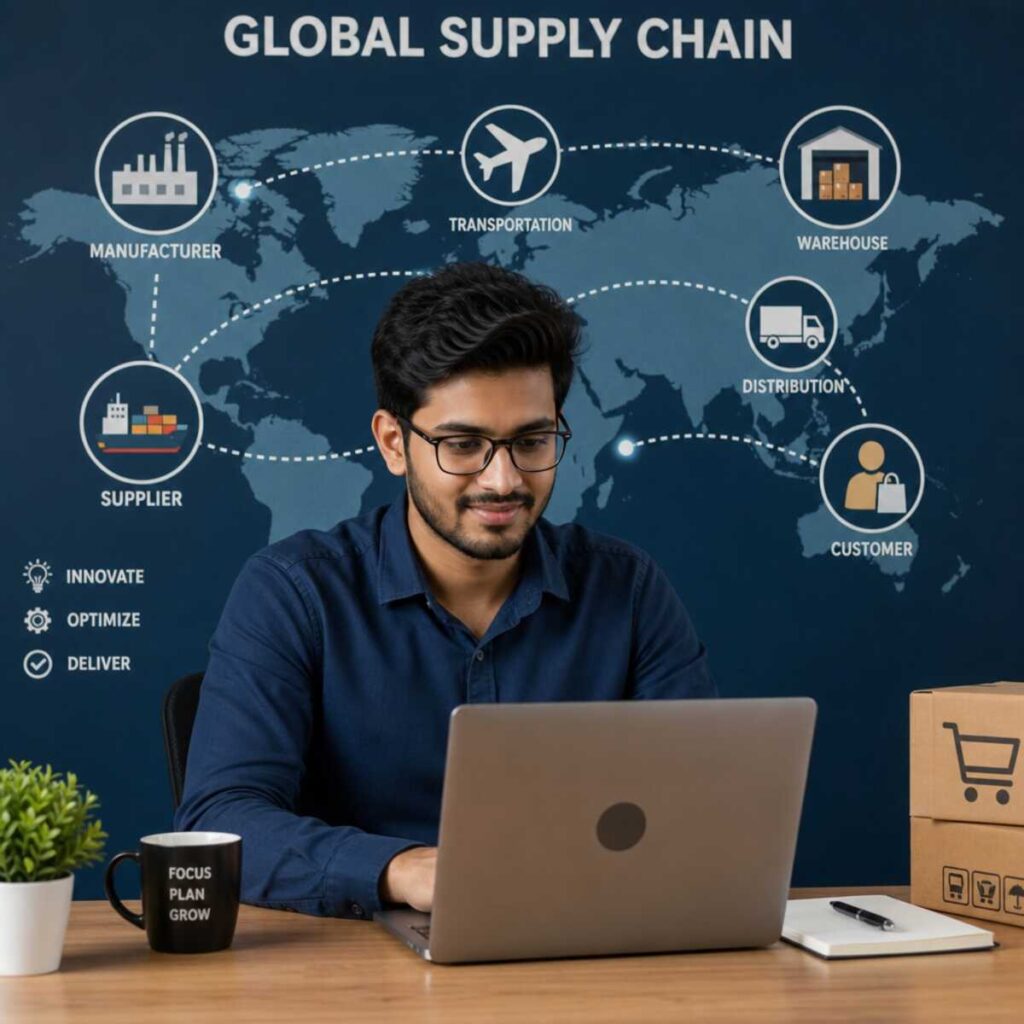
The world of e-commerce has been fundamentally transformed by the dropshipping model, offering unprecedented opportunities for digital entrepreneurs to build scalable businesses without holding inventory. At the heart of this global supply chain is China, an undisputed manufacturing powerhouse that provides an almost infinite variety of products at highly competitive prices. However, navigating this vast ecosystem requires strategy, foresight, and a deep understanding of international trade dynamics. Often the Amazing fact about dropshipping from china.
If you want to build a thriving e-commerce empire, you need a comprehensive blueprint. This ultimate guide provides essential tips for Chinese dropshipping entrepreneurs, including how to choose the best Chinese dropshipping site and source products from Chinese wholesale websites. Whether you are launching your first store or looking to scale an existing brand, mastering these principles will separate you from the competition, safeguard your brand reputation, and maximize your profitability.
Chapter 1: The Landscape of Dropshipping from China
Before diving into the tactical aspects of sourcing and shipping, it is crucial to understand the current landscape of dropshipping from China. Over the last decade, the model has evolved from a relatively simple “arbitrage” system into a sophisticated global retail strategy.
Why China Remains the Global Sourcing Hub
China’s manufacturing infrastructure is unparalleled. From electronics and apparel to home goods and niche hobby items, the country’s factories are optimized for mass production and rapid prototyping. For a dropshipper, this means access to a massive catalog of products, low unit costs, and the agility to test new trending items almost instantly.
Acknowledging the Risks
While the rewards are significant, success requires acknowledging and mitigating the risks of dropshipping from China. These risks include:
- Inconsistent Product Quality: A factory producing high-quality goods today might cut corners tomorrow if not properly managed.
- Shipping Delays: International logistics are susceptible to weather, geopolitical events, and holiday bottlenecks (such as the Chinese New Year).
- Communication Barriers: Language differences and time zone differences can complicate urgent problem-solving.
- Intellectual Property Concerns: Accidental sales of counterfeit goods can result in immediate store bans and legal trouble.
By understanding these risks upfront, you can build systems—such as stringent quality control and reliable supplier vetting—to protect your business.
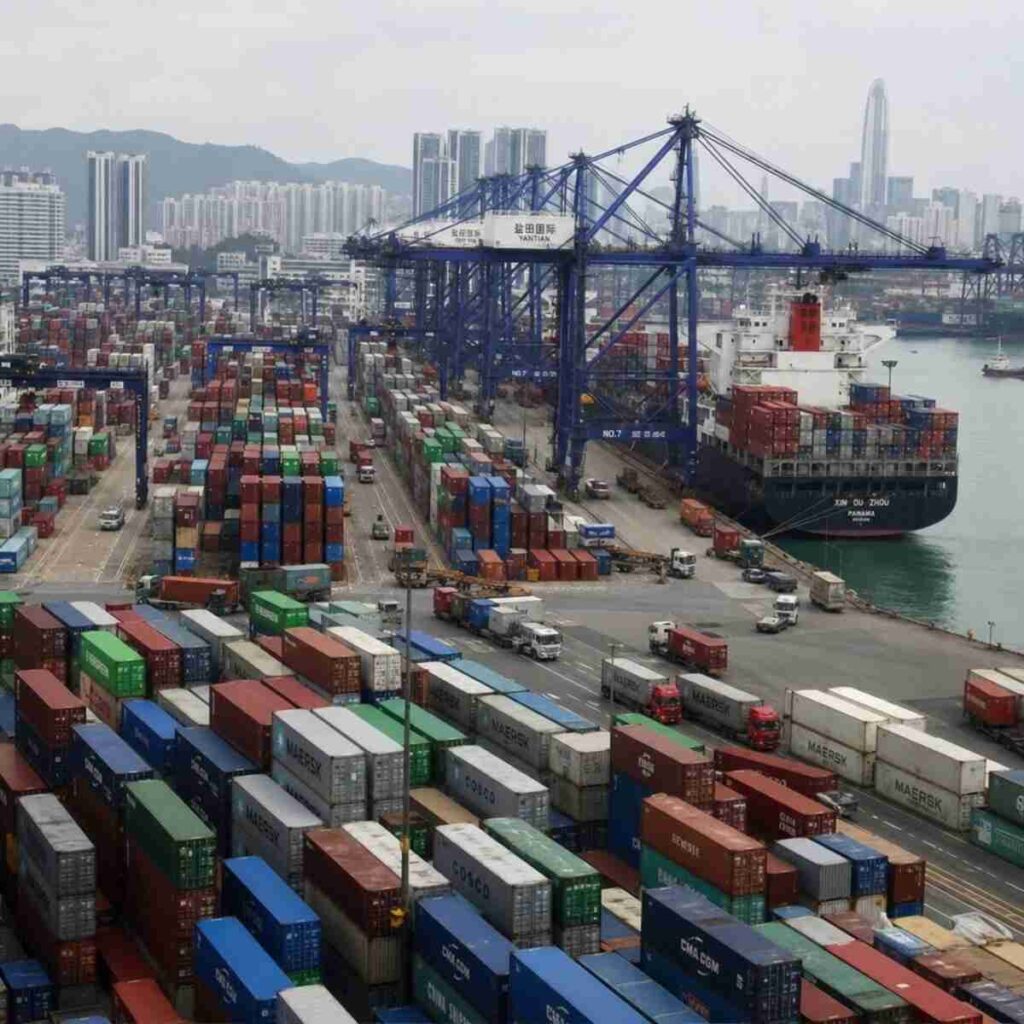
Chapter 2: Navigating the Best Chinese Dropshipping Platforms
Choosing the right platform is the foundational step in your e-commerce journey. There is no single “best” platform; rather, the best chinese dropshipping site for your business depends on your specific needs, experience level, and target audience.
Let’s explore the best Chinese dropshipping platforms available today.
The Giants: AliExpress vs Alibaba for Dropshipping
When entrepreneurs first start, they almost always encounter the two giants owned by the Alibaba Group. Understanding the debate of AliExpress vs Alibaba for dropshipping is essential.
AliExpress: The Beginner’s Playground AliExpress is essentially a retail platform designed for international buyers.
- Pros: No minimum order quantities (MOQs), automated integrations with platforms like Shopify (via apps like DSers), and buyer protection programs.
- Cons: Higher prices than raw wholesale, generally slower shipping options, and heavy competition since millions of dropshippers have access to the exact same product listings.
Alibaba: The Scaler’s Choice. Alibaba is a B2B (business-to-business) wholesale directory that connects you directly with manufacturers and large trading companies.
- Pros: Significantly lower per-unit costs, the ability to negotiate prices, and opportunities for custom packaging and product modifications.
- Cons: High MOQs (though some suppliers now offer dropshipping terms), less automated software integration, and a steeper learning curve for negotiation and logistics.
The Verdict: Start with AliExpress to test product concepts and find winning items. Once you have consistent sales volume, transition to Alibaba to increase your margins and brand your products.
Automation vs. Raw Pricing: CJ Dropshipping vs 1688 Sourcing
As dropshippers mature, they look for alternatives to AliExpress to find better margins and faster shipping. This brings us to the comparison of CJ Dropshipping vs 1688 sourcing.
CJ Dropshipping CJ Dropshipping acts as a hybrid platform. They source products, warehouse them, and fulfill orders on your behalf.
- Pros: Excellent software integration, fast processing times, access to global warehouses (including the US and Europe), and custom packaging options. You can submit sourcing requests for products you find elsewhere, and they will find a supplier for you.
- Cons: The platform’s interface can be overwhelming, and shipping costs can sometimes be higher than raw ePacket or standard lines.
1688.com 1688 is essentially the domestic Chinese version of Alibaba. It is where Chinese dropshippers and trading companies source their products.
- Pros: The absolute lowest rock-bottom prices available. You are cutting out the middleman entirely.
- Cons: The site is entirely in Mandarin. Suppliers usually do not speak English, do not accept foreign credit cards, and do not ship internationally. To use 1688, you absolutely must use a sourcing agent.
The Verdict: CJ Dropshipping is fantastic for dropshippers seeking a hands-off, automated experience with faster shipping than on AliExpress. 1688 is the ultimate destination for advanced sellers who have local sourcing agents to manage purchasing and international fulfillment.
Chapter 3: Sourcing from Chinese Wholesale Websites
Once you have chosen your platform, the next step is finding the right products. Exploring chinese wholesale websites can feel like looking for a needle in a haystack. The key to success is not just finding a good product, but finding a great partner.
How to Vet Chinese Wholesale Suppliers
Your business is only as strong as your supply chain. Learning how to vet Chinese wholesale suppliers is a non-negotiable skill. Follow this step-by-step framework to separate reliable partners from fly-by-night operations:
- Check Their Badges and Age: On platforms like Alibaba, look for “Verified Suppliers” or “Trade Assurance” badges. A supplier that has been on the platform for 5+ years is generally more reliable than one that opened its account last month.
- Analyze Their Product Catalog: A genuine manufacturer will have a focused catalog. If a supplier sells dog beds, LED lights, and leather wallets, they are likely a trading company (a middleman) rather than a factory. Dealing with factories yields better prices and more control over the product.
- Evaluate Responsiveness: Send an initial inquiry with numbered questions. A high-quality supplier will reply promptly (keeping the time zone difference in mind) and address every question you asked. If they give vague answers or ignore specific queries, move on.
- Request Business Licenses and Certifications: If you are selling electronics or beauty products, you need CE, RoHS, or FDA certifications. Do not take their word for it; ask to see the physical certificates and ensure the company name matches the supplier you are talking to.
- Start with a Test Order: Never send thousands of dollars or route hundreds of daily orders to a new supplier without testing them. Place a small test order to evaluate their packaging, processing speed, and product quality.
Utilizing Agent-Assisted Product Sourcing Services
If vetting suppliers feels too daunting, or if you want to access the ultra-low prices of 1688, consider using agent-assisted product sourcing services.
A sourcing agent is a local professional based in China who acts as your boots on the ground. They find factories, negotiate prices in fluent Mandarin, consolidate your orders, conduct quality control checks, and arrange for international shipping via specialized logistics lines. While they take a small cut (either a percentage of the product cost or a flat fee), a good agent will ultimately save you time, money, and countless headaches.
Chapter 4: Elevating Your Brand with Private and White Labeling
The era of dropshipping generic, unbranded items in unmarked ePacket envelopes is rapidly coming to an end. Today’s consumers demand a branded experience. To build an asset with long-term value, you must transition from generic dropshipping to brand building.
White Label Dropshipping from Chinese Websites
White labeling involves taking an existing, already manufactured product and putting your brand’s name and logo on it (or on the packaging). This is an excellent middle ground for dropshippers.
Engaging in white label dropshipping from Chinese websites allows you to test product-market fit without investing heavily in research and development. Many suppliers on Alibaba and CJ Dropshipping offer white label services for a very low MOQ—sometimes as low as 50 to 100 units. You can start by designing a custom insert card or a branded sticker for the box to slowly elevate the perceived value of your product.
Finding Reliable Private Label Manufacturers
Private labeling takes branding a step further. This involves making specific modifications to a product—such as custom colors, better materials, or unique features—so that it is entirely unique to your brand.
Finding reliable private label manufacturers requires deeper vetting. When searching for these partners:
- Look for OEM/ODM capabilities: OEM (Original Equipment Manufacturer) and ODM (Original Design Manufacturer) indicate the factory is equipped to customize products, not just sell off-the-shelf items.
- Protect Your IP: Have the supplier sign an NNN agreement (Non-Disclosure, Non-Use, Non-Circumvention) drafted under Chinese law before sharing your custom designs.
- Be Prepared for Higher MOQs: Factories have to retool their machines for custom products, so expect MOQs in the range of 500 to 2,000 units.
By building a private-label brand, you cultivate customer loyalty, avoid the race-to-the-bottom pricing wars, and build a business you can eventually sell at a high multiple.
Chapter 5: Mastering Supplier Communication
In Western business culture, communication is often transactional and blunt. In China, business is heavily predicated on Guanxi (relationships and networking). Building a strong, respectful relationship with your supplier can result in better prices, priority processing during busy seasons, and leniency on MOQs.
Communicating with Chinese Suppliers on WeChat
Email and platform messaging centers are fine for initial contact, but all serious business in China happens on WeChat. Communicating with Chinese suppliers on WeChat is faster, more personal, and often yields more honest answers than official channels.
Best Practices for WeChat Communication:
- Keep it Simple: Avoid idioms, slang, and complex sentence structures. Your contact is likely using a built-in translation tool. Use simple, direct English.
- Use Bullet Points: When asking questions or giving instructions, number them clearly.
- Be Polite but Firm: Begin conversations with a friendly greeting. Acknowledge holidays and time zones. However, when it comes to business terms, be clear and unwavering about your standards.
- Confirm Everything in Writing: After a voice call or a long text exchange, send a summary message confirming the agreed-upon price, shipping time, and product specifications.
A Sample WeChat Outreach Template:
“Hello [Name], this is [Your Name] from [Your Company]. We found your products on Alibaba and are very impressed with your catalog. We run an e-commerce brand in the US and are looking for a long-term manufacturing partner for [Product Name]. Could you please provide:
- The unit price for an MOQ of 100?
- The cost to ship to the US via air freight?
- Your current production lead time? Thank you, I look forward to building a great partnership with you.”
Chapter 6: Ensuring Top-Tier Quality Control
One of the most common reasons dropshipping businesses fail is poor product quality, which leads to chargebacks, bad reviews, and banned ad accounts.
Quality Control for Chinese Sourced Products
Implementing rigorous quality control for Chinese sourced products is your shield against disaster. Because you are not physically handling the products before they reach your customer, you must implement systems to ensure consistency.
Step 1: Always Order Samples. Never sell a product you haven’t held in your own hands. Order samples from 3 or 4 different suppliers. Compare the build quality, the packaging, and the actual shipping times. Use the product as a customer would to identify any potential failure points.
Step 2: Define Your Quality Standard. Create a document detailing your exact expectations. Specify the materials, acceptable color variances, dimensions, and packaging requirements. Give this document to your supplier to avoid ambiguity.
Step 3: Pre-Shipment Inspections. If you transition from one-off dropshipping to buying bulk inventory to store in a local Chinese warehouse or your agent’s facility, hire a third-party inspection company (such as V-Trust or QIMA). For around $200 to $300, an inspector will visit the factory, check your goods against your quality standard, and send you a detailed photographic report before you pay the final balance.
Step 4: Continuous Monitoring: Quality fade is a real phenomenon in which a supplier slowly degrades the quality of materials over time to increase their margins. Periodically order your own products as a “secret shopper” to ensure the standard remains high.
Chapter 7: Logistics, Shipping, and Fulfillment Strategies
In the Amazon Prime era, consumers expect fast, trackable shipping. Waiting 4 to 6 weeks for a package is no longer acceptable and will undermine your customer retention metrics.
Standard Shipping vs ePacket Delivery
For years, ePacket was the gold standard for dropshippers. It was heavily subsidized, relatively fast, and offered end-to-end tracking. However, understanding standard shipping vs ePacket delivery today reveals a different reality.
Due to changes in international postal treaties and global supply chain disruptions, ePacket is no longer the reliable choice it once was. Shipping times have stretched, and costs have risen.
The Modern Alternatives: Instead of ePacket, top dropshippers now rely on specialized logistics companies (often referred to as special line shipping). Companies like YunExpress, 4PX, and Yanwen lease space on commercial cargo flights and deliver packages directly to the local postal systems of destination countries (such as USPS in America or Royal Mail in the UK).
Reducing Shipping Times from China
Your goal should be to get shipping times down to the 7-12 day range. Here are the most effective strategies for reducing shipping times from China:
- Use Premium Special Lines: As mentioned, insist that your supplier or agent uses YunExpress, CNE Express, or 4PX rather than standard China Post.
- Process Orders Daily: Ensure your supplier processes and dispatches orders within 24-48 hours. A fast shipping line is useless if the supplier takes a week to pack the box.
- Pre-Purchase Inventory: If you have a proven winner, buy 100-500 units upfront and store them with your sourcing agent. This eliminates factory processing time entirely; your agent can pack and ship the order the same day it comes in.
- Leverage Domestic Warehouses: Platforms like CJ Dropshipping and many Alibaba suppliers now have warehouses in the US, Europe, and Australia. While the product cost might be slightly higher, offering 3-day local shipping will drastically increase your conversion rates.
Chapter 8: Navigating the Financials and Legalities
Profitability in dropshipping is about more than just buying for $10 and selling for $30. Hidden fees, advertising costs, and taxes can quickly eat away at your margins.
Sustainable Profit Margins in Chinese Dropshipping
To build a real business, you need sustainable profit margins in Chinese dropshipping. A common mistake beginners make is pricing their products too low to compete with Amazon.
The 3X Pricing Rule: As a general rule of thumb, you should price your product at least three times your Cost of Goods Sold (COGS). If a product costs $10 (including shipping from China), you should sell it for at least $30.
- 33% covers the cost of the product.
- 33% covers customer acquisition (Facebook/TikTok ads).
- 33% is your gross profit margin (to cover software, virtual assistants, and your own take-home pay).
To justify a higher price tag, you must create high-perceived value through exceptional website design, high-quality copywriting, custom photography, and white-label branding.
Import Duties and Taxes for Dropshippers
Ignoring taxes is a fast track to financial ruin. Understanding import duties and taxes for dropshippers is crucial, especially as governments worldwide tighten e-commerce regulations.
- United States: The US has a relatively generous de minimis threshold of $800. This means individual packages valued under $800 shipped from China directly to a US consumer generally do not incur import duties. However, you must be aware of State Sales Tax nexus requirements, which vary based on your sales volume in specific states.
- European Union: The EU recently abolished its VAT exemption for low-value goods. Now, all goods imported into the EU are subject to VAT. To streamline this, dropshippers should register for the Import One-Stop Shop (IOSS). This allows you to collect VAT at the point of sale on your website and remit it monthly, preventing your customer from being hit with surprise tax bills at their door.
- United Kingdom: Similar to the EU, the UK requires businesses to register for a VAT number and collect VAT on orders under £135 at the point of sale.
Disclaimer: Always consult with a certified CPA or tax professional who specializes in international e-commerce to ensure total compliance.
Chapter 9: Customer Service Mastery and Reverse Logistics
Even with the best suppliers and fastest shipping, things will occasionally go wrong. Packages get lost, items arrive damaged, or a customer simply changes their mind. How you handle these situations dictates the longevity of your brand.
How to Handle Returns from Overseas Suppliers
One of the biggest logistical hurdles in this business model is figuring out how to handle returns from overseas suppliers. Asking a customer to ship a $20 defective item back to China is a terrible idea—it will cost more than the product is worth, take months, and result in a furious customer leaving negative reviews.
Here are the best strategies for managing dropshipping returns:
- The “Keep It” Refund Strategy: For low-ticket items (under $30), if a product arrives damaged, ask the customer for photographic proof. Once verified, issue a full refund or send a free replacement, and tell them to keep, donate, or dispose of the defective item. The cost of replacing the item is simply the cost of doing business, and the goodwill generated is invaluable.
- Domestic Return Addresses: Use a virtual mailbox or a third-party logistics (3PL) center in your target country (e.g., the US) to collect returns. Once you have a batch of returned items, you can inspect them and either resell the items in good condition domestically or liquidate them.
- Agent Return Agreements: If you use a dedicated sourcing agent, negotiate terms regarding defective units. A good agent will often credit your account for items that were damaged due to their oversight or factory defects, offsetting your losses.
Setting Crystal Clear Expectations
The best customer service strategy is proactive communication. Prevent complaints before they happen by setting clear expectations on your website.
- Be Honest About Shipping: Do not hide your shipping times. Create a dedicated “Shipping & Delivery” page outlining exactly how long it takes (e.g., 8-15 business days).
- Automated Tracking: Use apps that automatically send customers email and SMS updates when their package clears customs or reaches their local post office.
- Responsive Support: Ensure customer emails are answered within 24 hours. A fast, polite response can de-escalate a frustrated customer and prevent a credit card chargeback.
Frequently Asked Questions (FAQ)
To further solidify your knowledge, here are answers to some of the most common questions dropshippers ask when dealing with the Chinese market.
Q: Is dropshipping from China dead? A: Absolutely not. The lazy way of dropshipping—slapping generic products on a basic store with 4-week shipping—is dead. However, building legitimate brands, sourcing efficiently, and utilizing fast shipping lines remains one of the most lucrative e-commerce models available today.
Q: Do Chinese suppliers steal product ideas? A: Intellectual property theft can be a concern. If you are inventing a completely new product, you need strict legal protections (NNN agreements) and potentially need to split manufacturing components across different factories. However, if you are white labeling or selling existing products, the risk is minimal.
Q: How do I transition from AliExpress to an agent? A: Once you are consistently doing 10 to 20 orders a day of a specific product, start reaching out to sourcing agents via Facebook groups, Upwork, or specialized agencies. Give them your AliExpress product link and ask them to quote you their all-in price (including product and shipping to your main target country).
Conclusion: Building Your E-commerce Empire
Succeeding in international e-commerce is not a get-rich-quick scheme; it is a business of logistics, marketing, and relationship management. By applying these essential tips for Chinese dropshipping entrepreneurs, including how to choose the best Chinese dropshipping site and source products from Chinese wholesale websites, you are positioning yourself far ahead of the average beginner.
Remember the core tenets of success: meticulously vet your suppliers, graduate from generic retail platforms to raw manufacturing sources, prioritize specialized shipping lines to drastically reduce delivery times, and relentlessly focus on quality control.
Whether you decide to leverage the automation of CJ Dropshipping, the massive catalogs of Alibaba, or the rock-bottom prices of 1688 via a trusted sourcing agent, your supply chain is the backbone of your business. Treat your Chinese suppliers with respect, build your branded assets through white and private labeling, and always keep the customer experience at the forefront of your operations. The global market is vast, and with the right strategy, your growth potential is virtually limitless.